
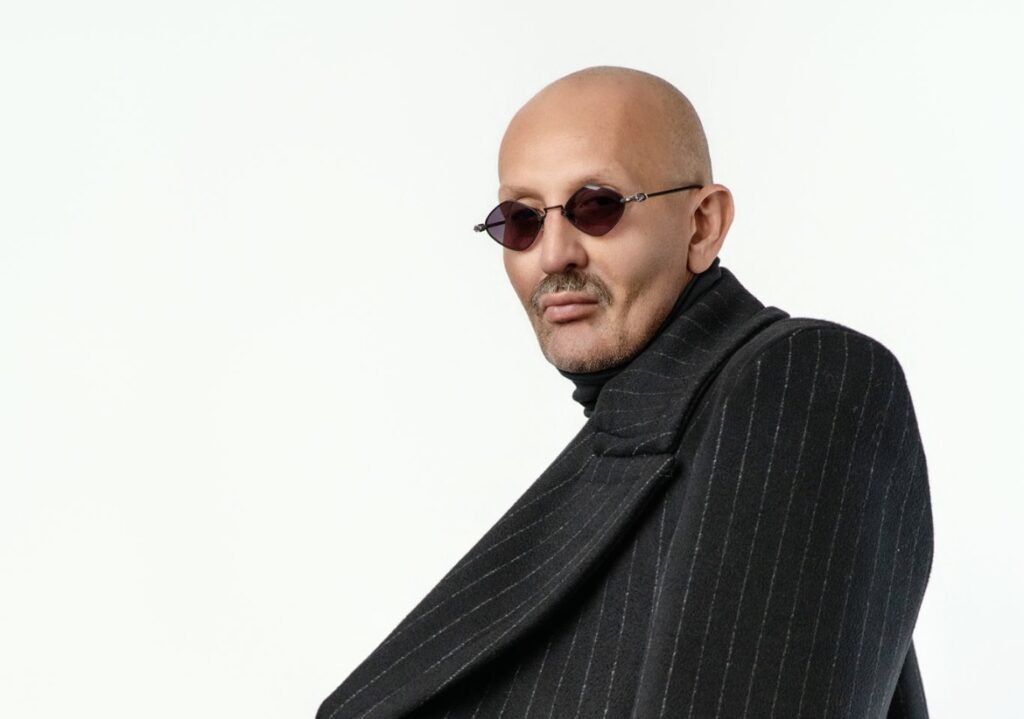
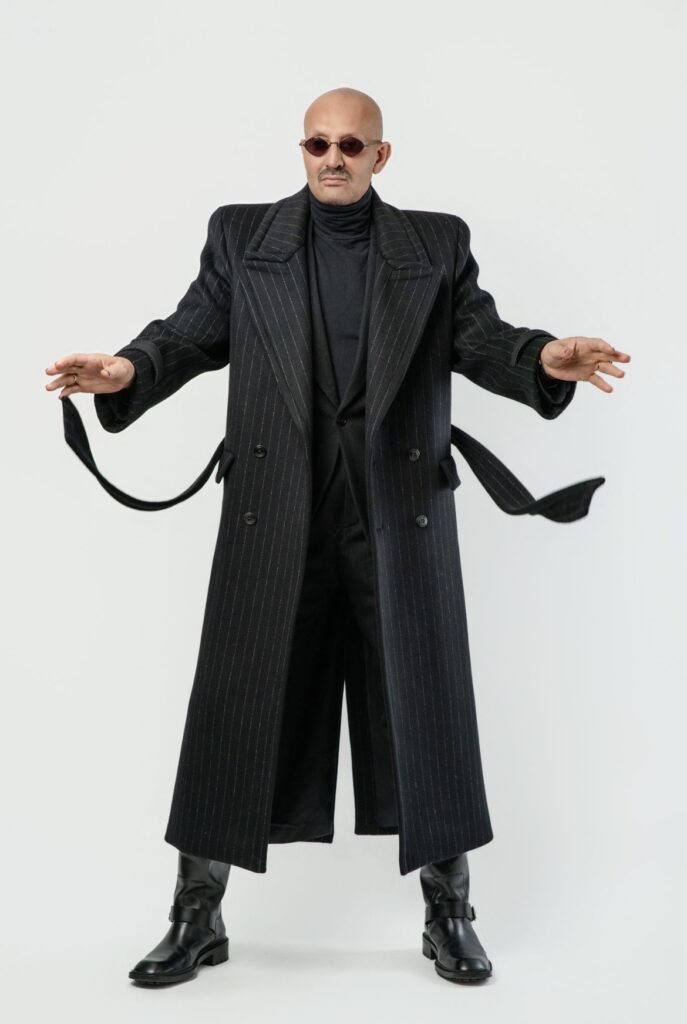
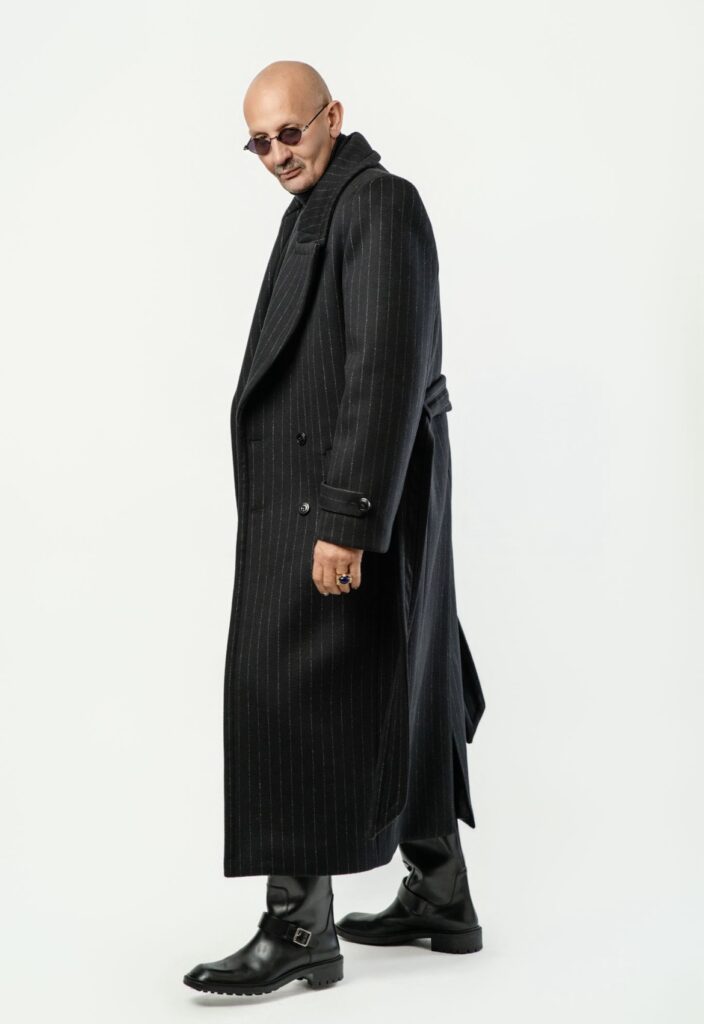
Matteo Sorbellini is one of the most original creative talents in contemporary Italian fashion. Born into a world of fabrics and patterns at his family’s tailoring workshop in Novara, and having developed his career within London’s vibrant cultural scene, he now lives and works in Riccione. He has transformed his artisanal roots into a distinctive aesthetic language in which tailoring, eccentricity and culture come together effortlessly.
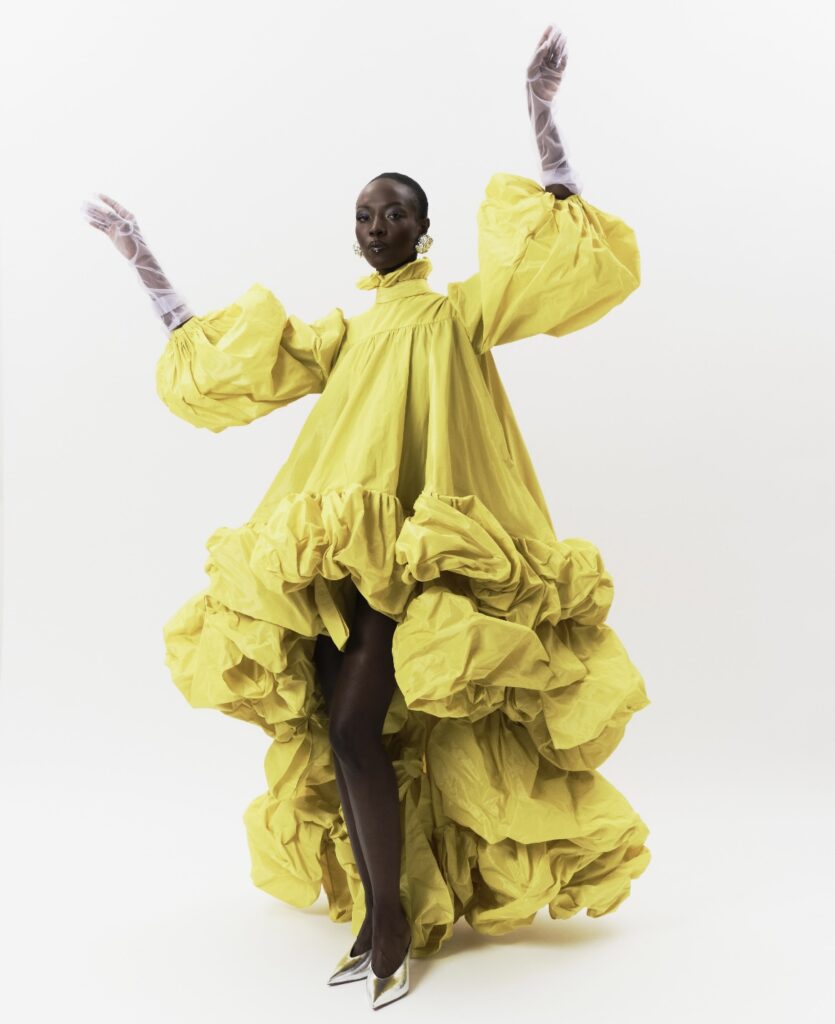
His style, which Sorbellini describes as “visionary and iconic”, strikes a sophisticated balance between sartorial precision and theatricality, historical research and uninhibited experimentation. Every garment is conceived as a piece of storytelling. Rather than following fleeting trends, his creations are designed to become timeless pieces, crafted from exquisite fabrics and constructed with distinctive volumes that give them enduring character.
His boutique, Vip Room, in Riccione, is more of a creative laboratory than a conventional shop: a place where the experience is as important as the purchase, and where his collections come to life with the help of Monikina, his muse and the embodiment of some of his most iconic looks.
What skin concerns might arise at the beginning of spring?
“Cold weather, sudden temperature changes and wind, combined with the smog and pollution of recent months, may have compromised the skin barrier, causing dryness and redness. These factors may also have contributed to a loss of elasticity and radiance, skin thickening and slower cellular turnover.
“Harsh weather can also cause superficial blood vessels to constrict, potentially reducing oxygen delivery to the tissues. When skin cell renewal slows, the complexion may become dull and the skin’s surface thicker.
“Cold temperatures can also disrupt the skin’s hydrolipidic film, the protective layer of sebum that helps shield the epidermis from external aggressors. As a result, the skin may now appear thinner and more fragile.”
Sorbellini is a cultured, instinctive designer with a profound connection to the arts. His creations reveal layers of inspiration drawn from travel, literature and icons of the past, all filtered through a contemporary, maximalist sensibility.
His fashion bridges past and future, culture and style, transforming each creation into a small work of wearable art. We met him to discover more about the man behind the designs.
When did you first realise you were interested in fashion?
I grew up in my family’s tailoring workshop. My mother and grandfather worked together, and I watched everything: the paper patterns, the rolls of fabric, the clients arriving for fittings.
There was a particular atmosphere in that workshop, a distinctive scent and energy that made me feel I belonged. It was there that I realised, without needing anyone to explain it to me, that fashion was the path I wanted to follow.
Did your journey begin with learning tailoring techniques from your family?
Yes, that’s where it all started. I learnt not only the techniques but also a profound respect for the craft.
During the 1980s, a revolutionary period for fashion, I began seriously studying the history of dress. I was fascinated by French designers such as Gaultier and British fashion figures such as Westwood and Galliano.
Those masters showed me that fashion could be a language, a provocation and an expression of identity. By the time I was a teenager, I already had a very clear ambition: to become a fashion designer.
Did you attend a fashion school, or did you take a different journey?
I chose an unconventional journey. I was studying economics, but fashion was calling too strongly to ignore.
I decided to move to London and attend Saint Martins School of Art. That international environment broadened my horizons, and joining Vivienne Westwood’s design studio was a genuine privilege.
I witnessed first-hand what it means to transform an idea into a garment with a soul. That was when I knew I would never pursue another career.
Where does your creativity come from?
For me, fashion is about imagery and storytelling. I can’t create anything “ordinary”. A garment has to evoke emotion, possess aesthetic strength and tell its own story.
A white shirt is clothing, not necessarily fashion.
I love creating pieces that belong not to a single season, but to a lifetime.
Westwood remains a guiding light for me: her creative freedom, her extraordinary archive and her sense of irony.
At the moment, I feel an uninterrupted flow of creativity, almost as though I’m experiencing a personal renaissance.
What inspires you when you create?
I’m a collection of experiences. I travel extensively, photograph everything, read and observe people, details and everyday scenes. It all becomes part of my memory.
Fashion is cyclical, and today we don’t create entirely from nothing. We reinterpret existing codes, but what matters is the individual signature we bring to them.
Every collection is a combination of memory, instinct and visual culture.
Would you describe your style as distinctive and recognisable?
Certain garments have become part of my design language. They keep returning because they represent who I am.
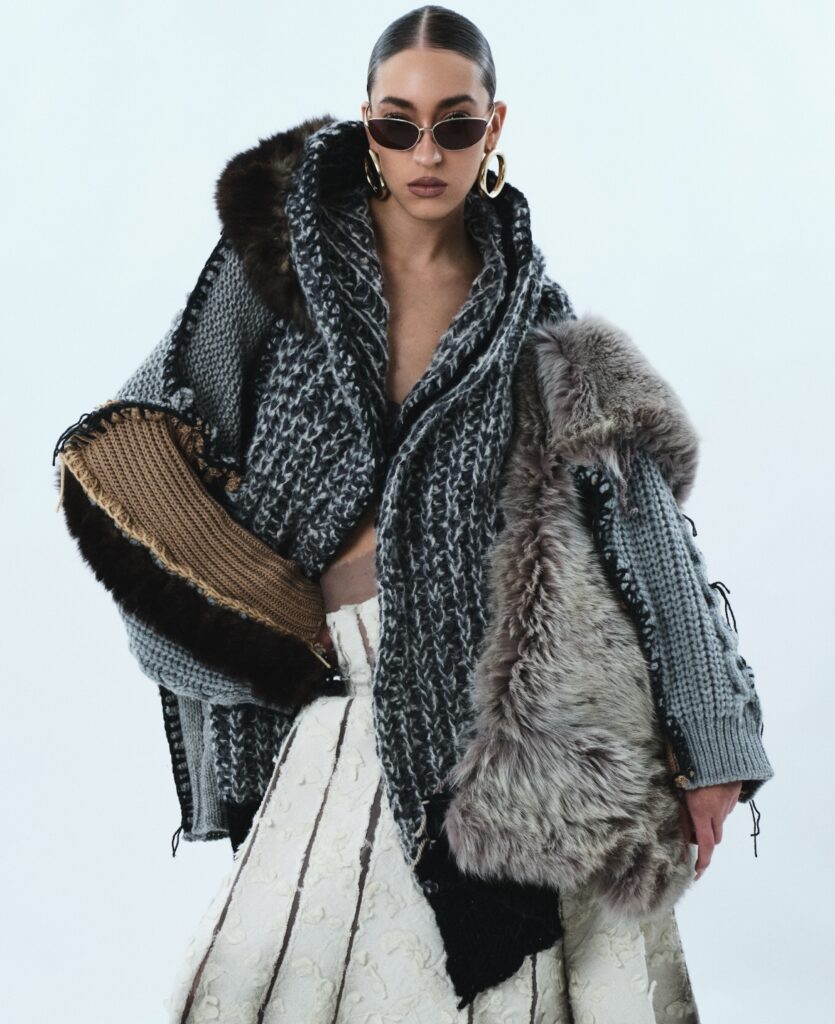
I work exclusively with fine fabrics because I want to create “timeless objects”, not disposable clothes. A beautiful fabric ensures quality and longevity, and I consider it the foundation of my work.
People who buy my creations often keep them as collectors’ pieces, which I consider an enormous compliment.
I also have an extensive personal archive, including my own designs, pieces I’ve purchased, vintage garments and runway creations. It’s an endless source of inspiration.
Have you considered establishing a museum or foundation to preserve your collection?
Absolutely. And I must also thank my wife, Monikina.
She has a habit of immediately claiming the one-off pieces and samples I produce. Sometimes it drives me mad, but then I realise that, without even intending to, she’s creating an incredibly valuable archive.
Many unique pieces that would now be impossible to find have survived thanks to her. They’ll form the heart of our future foundation.
Is it true that textile manufacturers can influence fashion colours by bringing certain fabrics onto the market?
Yes, that does happen.
Major manufacturers can anticipate and influence certain choices by making particular colours or materials available in greater quantities.
But the creative process remains intuitive. As designers, we sense whether a colour feels right for a particular moment.
It’s an unspoken dialogue between the market and creativity.
Have you ever dreamed of dressing a particular actress?
I greatly admire Nicole Kidman and Tilda Swinton, both icons of sophisticated elegance.
Dressing Angelina Jolie, with her effortlessly chic style, would also be a dream.
More generally, though, I believe a woman with a strong personality can elevate any garment.
What do you think of Armani’s statement that intelligence matters more than clothing?
I agree with him. True elegance is a matter of intellect and character.
However, I was disappointed by his will. I would have expected him to dedicate his considerable estate to humanitarian projects, such as supporting disadvantaged young people or children facing difficult circumstances.
That would have been a gesture worthy of his greatness.